When Should You Sell a Bond Before Maturity
For many fixed-income investors, “hold to maturity” is a common approach, but it’s not always the best strategy. A bond’s maturity date is simply a contractual endpoint—it doesn’t guarantee that holding until then is optimal. Markets, interest rates, credit quality, and your portfolio goals can all change, making it important to regularly reassess whether holding or selling is the smarter move.
Maturity Is a Date, Not a Strategy
A bond’s value comes from both its cash flows and its market price. If the issuer pays as promised, you’ll receive par at maturity. But along the way, a bond bought for income can become overpriced, or a stable bond can become a credit concern. Selling before maturity is often about disciplined management—locking in gains, reducing risk, or seizing better opportunities—not impatience.
When to Consider Selling Before Maturity
Common reasons to sell include:
- Rising yields and falling prices
- Credit deterioration
- A bond trading at a rich premium
- Better reinvestment options
- Liquidity needs
- Portfolio rebalancing or tax-loss harvesting
- Excess concentration in one issuer or sector
For example, if rates rise and new bonds offer higher yields, selling may make sense. If an issuer’s credit weakens, selling can help avoid losses. Sometimes, changing personal goals or market volatility prompts a sale.
Interest Rates and Credit Risk
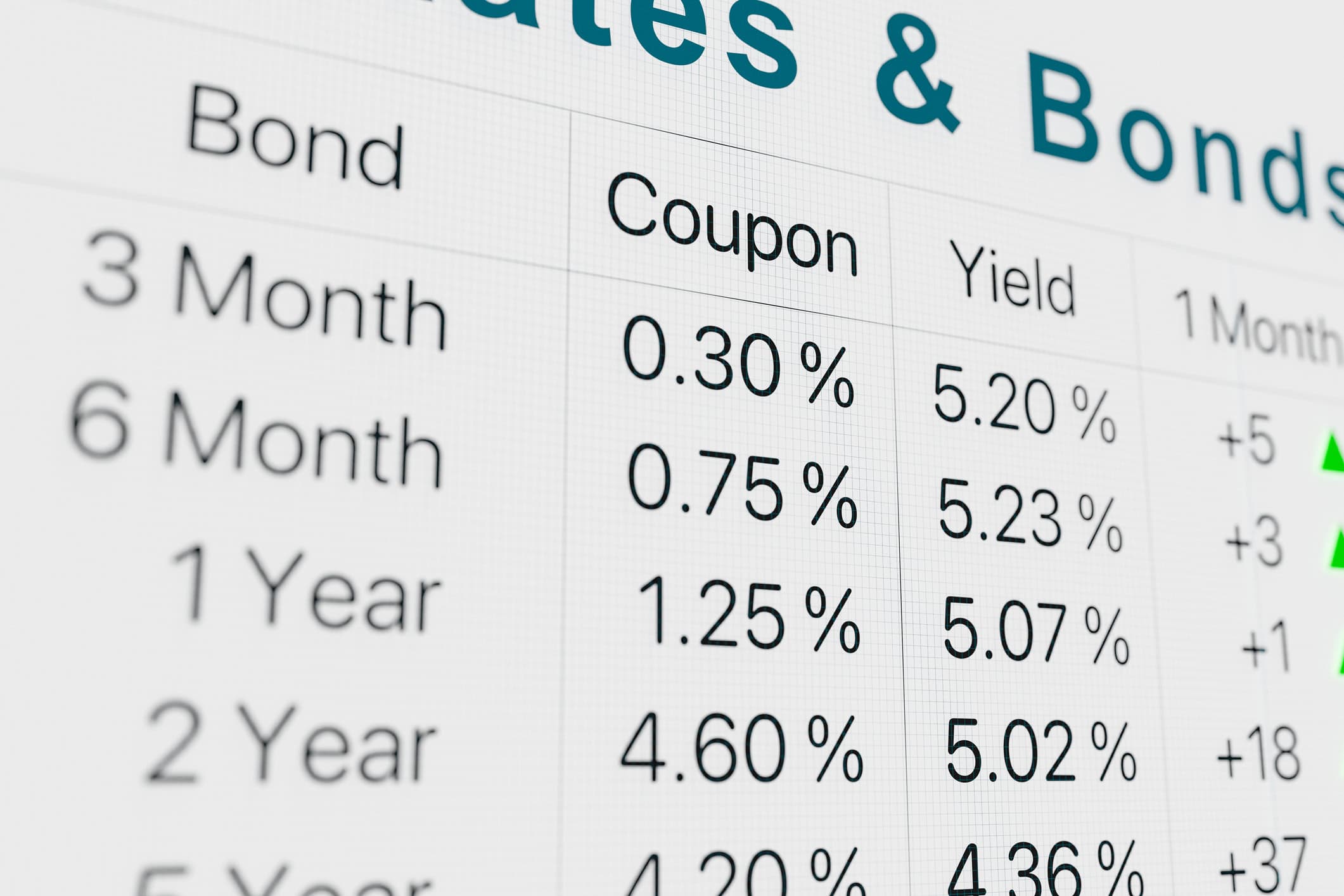
When yields rise, bond prices fall. If your bond has a long maturity and rates are climbing, selling early can let you reinvest at higher yields. But you must weigh the immediate loss from selling against the future income from reinvesting. Sometimes, patience pays off; other times, reinvesting is the better move.
Credit risk is different. If an issuer’s financial health declines, the bond’s price can drop sharply and stay low. Selling before maturity is often wise if the original credit thesis no longer holds.
Premiums, Discounts, and Taxes
A bond trading above par isn’t always a win. Premium bonds lose value as they approach maturity, so compare yield to maturity and yield to worst with alternatives. Discount bonds may be worth holding if maturity is near and credit is solid. Always consider tax implications—capital gains, losses, and after-tax yields matter.
Portfolio-Driven Reasons to Sell
Sometimes, selling has nothing to do with market views. You might need liquidity, want to reduce exposure to one issuer, move up in credit quality, or rebalance your ladder. Holding a bond just because “it will mature eventually” can be costly if your capital could work harder elsewhere.
When Selling Early Is a Mistake
Don’t sell just because prices drop. Avoid selling into temporary volatility, wide bid-ask spreads, or thin markets. Don’t swap a quality bond for a slightly higher yield if it adds significant risk. Sometimes, the best move is to do nothing.
A Disciplined Approach
Before selling, follow a framework:
- Calculate the bond’s yield, duration, and after-tax carry.
- Compare with realistic replacements.
- Assess credit quality changes.
- Factor in all costs—spreads, commissions, taxes.
- Ensure the sale solves a real portfolio need.
A good bond sale has a clear purpose: preserve capital, improve income, reduce risk, meet a cash need, or capture value. If not, holding to maturity may be wiser. In fixed income, patience and selectivity both matter—sell when the bond no longer earns its place in your portfolio.
Disclosures:
This commentary is not a recommendation to buy or sell a specific security. The content is not intended to be legal, tax or financial advice. Please consult a legal, tax or financial professional for information specific to your individual situation. Investing involves risk, including possible loss of principal. Past performance is no guarantee of future results. Diversification does not guarantee a profit or protect against loss. The interest on municipal bonds, unless identified as “taxable” or “AMT” (alternative minimum tax), is exempt from federal income tax, but may be subject to local or state income tax for residents of certain states.