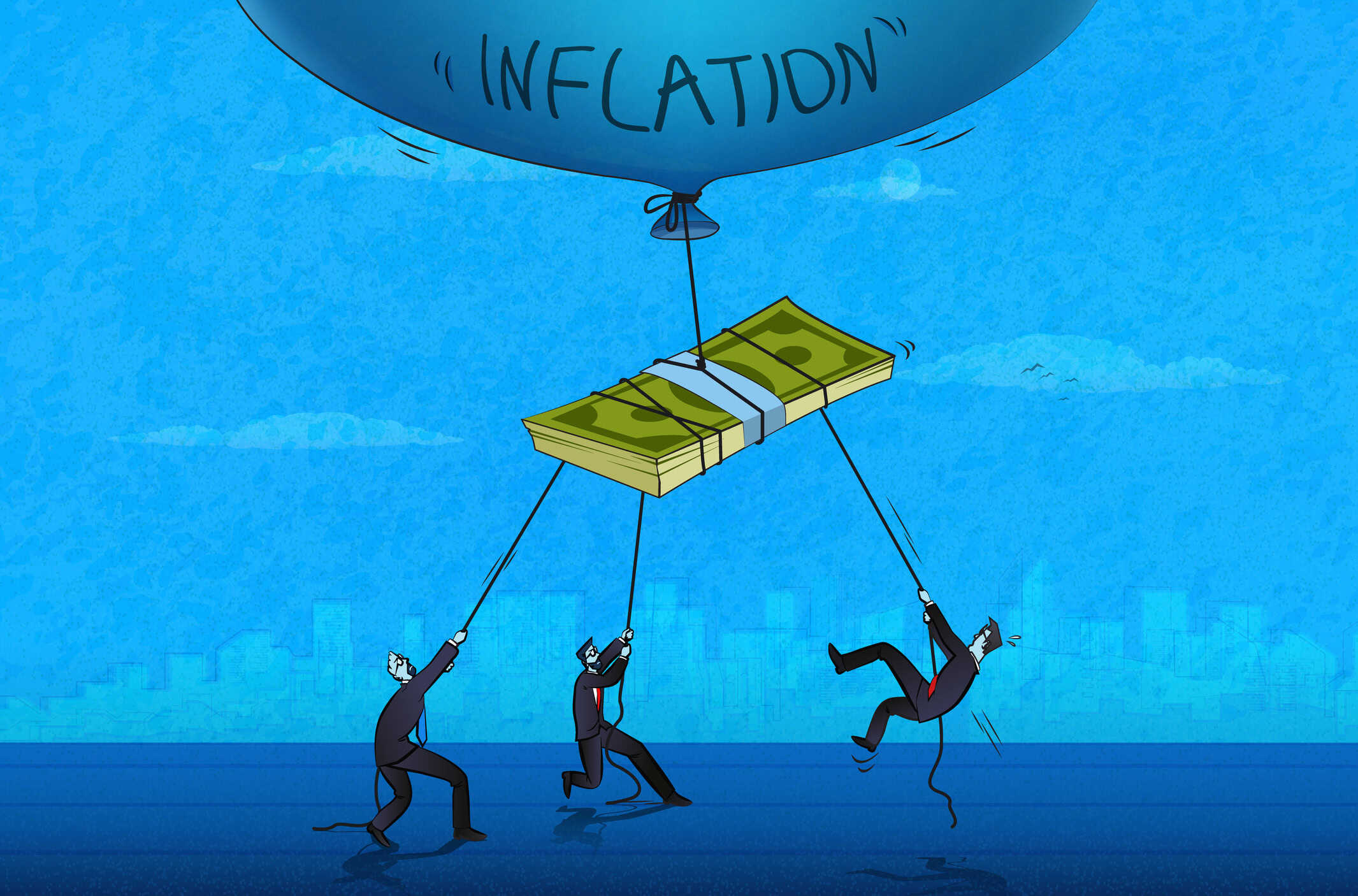
Inflation Risk: Strategic Portfolio Adjustments
Inflation Risk Management: Portfolio Strategies
Inflation rarely arrives with a neat label. It shows up as a grocery bill that creeps higher, a home repair that costs more than expected, or tuition that jumps again. In a portfolio, it quietly taxes future spending power, even when balances look stable.
Managing inflation risk is less about finding a single “perfect hedge” and more about building a portfolio that can hold up across different inflation paths: brief spikes, slow burns, and even periods of high inflation combined with slowing growth.
What Inflation Really Does to a Portfolio
Inflation is not just “prices going up.” It is a steady reset of what a dollar can buy, and that reset compounds. A 3% inflation rate sustained for 10 years reduces purchasing power by about 26%. At 5%, it is closer to 39%. That gap can meaningfully affect retirement timing, spending flexibility, and overall financial security.
Inflation also behaves unevenly. Energy, food, housing, insurance, and services can move at different speeds. The inflation you experience may not match headline numbers, which matters because your portfolio exists to fund your costs, not the average household’s.
Markets often anticipate inflation before it appears in official data. By the time inflation is obvious, many assets may already be repriced.
Start With What Your Money Needs to Do
Inflation risk only matters relative to a goal. A portfolio funding near-term spending faces a different challenge than one built for 25 years of retirement withdrawals. Time horizon, cash flow needs, and flexibility shape what effective inflation protection looks like.
A useful framework is assigning dollars specific roles:
- Near-term spending buffer
- Intermediate reserves
- Long-horizon growth capital
- Legacy or philanthropic capital
Not every dollar must be inflation-proof at all times. Funds needed soon should prioritize resilience and liquidity. Long-horizon capital can accept volatility in pursuit of real growth.
Diversification Through an Inflation Lens
Diversification is often described as general risk management. In inflationary periods, it becomes more specific: you want return drivers that respond differently to prices, wages, and interest rates.
Equities can help because revenues may rise with nominal growth. However, performance depends on pricing power, input costs, and valuations. Bonds may struggle when inflation pushes yields higher, yet high-quality bonds remain critical for liquidity and drawdown control. Real assets may track inflation impulses but can be volatile and cyclical.
Instead of focusing on labels, evaluate sensitivity:
- Return engine: growth, income, or contractual inflation linkage
- Inflation linkage: direct, indirect, or none
- Rate sensitivity: low vs. high duration
- Economic sensitivity: expansion vs. slowdown
A portfolio can appear diversified while still leaning heavily on one factor, such as long-duration growth exposure that performs best when inflation is low and rates fall.
Dedicated Inflation Hedges
Treasury Inflation-Protected Securities (TIPS) provide direct CPI linkage. Their principal adjusts with inflation, and interest is paid on the adjusted amount. That structure can be valuable when inflation surprises to the upside.
However, TIPS are not immune to price volatility. If real yields rise, market prices can fall. They are often most effective as strategic, long-term holdings rather than short-term trades.
Real assets are another common inflation tool:
- Real estate (REITs): Can benefit from rising rents but are sensitive to financing costs.
- Commodities: May respond quickly to supply shocks but are volatile and generate no cash flow.
- Infrastructure: Often includes contractual pricing escalators, though regulatory risk exists.
When evaluating hedges, ask: which inflation am I hedging? Energy-driven inflation differs from wage-driven inflation or broad service repricing.
Interest Rates, Duration, and Credit
Inflation and interest-rate risk are linked but not identical. Inflation may rise while policy lags. Rates may increase even as inflation falls, if expectations shift.
Duration measures a bond’s sensitivity to yield changes. When inflation pushes yields higher, long-duration bonds tend to fall more. Shorter-duration bonds decline less and can reinvest at higher rates sooner, reducing vulnerability to rate resets.
Credit adds complexity. Lower-quality bonds may offer higher yields, but credit spreads often widen during economic slowdowns. Investors frequently separate these roles: high-quality bonds for stability and liquidity, equities and real assets for long-term real growth.
A written duration plan can help prevent reactive decisions during volatile periods.
Rebalancing as Discipline
Rebalancing becomes especially valuable during inflationary periods. It forces investors to trim assets that have run up and reinforce those that have become cheaper.
It also prevents unintended exposure shifts. Equity rallies can increase cyclicality. Bond selloffs can unintentionally shorten duration. Real asset surges can increase volatility.
Helpful review tools include:
- Band triggers when allocations drift beyond targets
- Using contributions or withdrawals to restore balance
- Tax-aware sequencing
- Evaluating progress in real (inflation-adjusted) terms
Nominal gains can feel reassuring while purchasing power stagnates. Measuring real returns keeps focus aligned with long-term goals.
Implementation Details Matter
Inflation protection is often won or lost in small decisions: fund selection, account placement, trading costs, and rebalancing discipline.
You cannot control next year’s inflation rate. You can control diversification, expenses, tax drag, and process.
A practical checklist:
- Costs and spreads
- Tax-efficient asset placement
- Liquidity for planned spending
- A written rebalancing rule
Even well-designed inflation hedges can disappoint if they are expensive, poorly timed, or forced to be sold during drawdowns.
Ongoing Evaluation
Inflation risk management works best as a habit. Many investors conduct light quarterly reviews and deeper annual reviews, with additional attention after major life or market changes.
Annual reviews should revisit assumptions inflation may quietly disrupt: expected real returns, savings rates, withdrawal rates, and spending flexibility. Plans with built-in “pressure valves” — adjustable spending or phased goals — tend to be more durable.
If inflation cools, a well-constructed portfolio does not become obsolete. It simply shifts from defense back to balance, maintaining diversification, appropriate inflation-linked exposure, and a steady rebalancing process despite changing headlines.
Inflation risk management is not about predicting the next CPI print. It is about building a portfolio designed to preserve purchasing power across a range of economic outcomes — steadily, deliberately, and with discipline.
Disclosures:
This commentary is not a recommendation to buy or sell a specific security. The content is not intended to be legal, tax or financial advice. Please consult a legal, tax or financial professional for information specific to your individual situation. Investing involves risk, including possible loss of principal. Past performance is no guarantee of future results. Diversification does not guarantee a profit or protect against loss.