Mitigating Inflation Risk with Asset Diversification
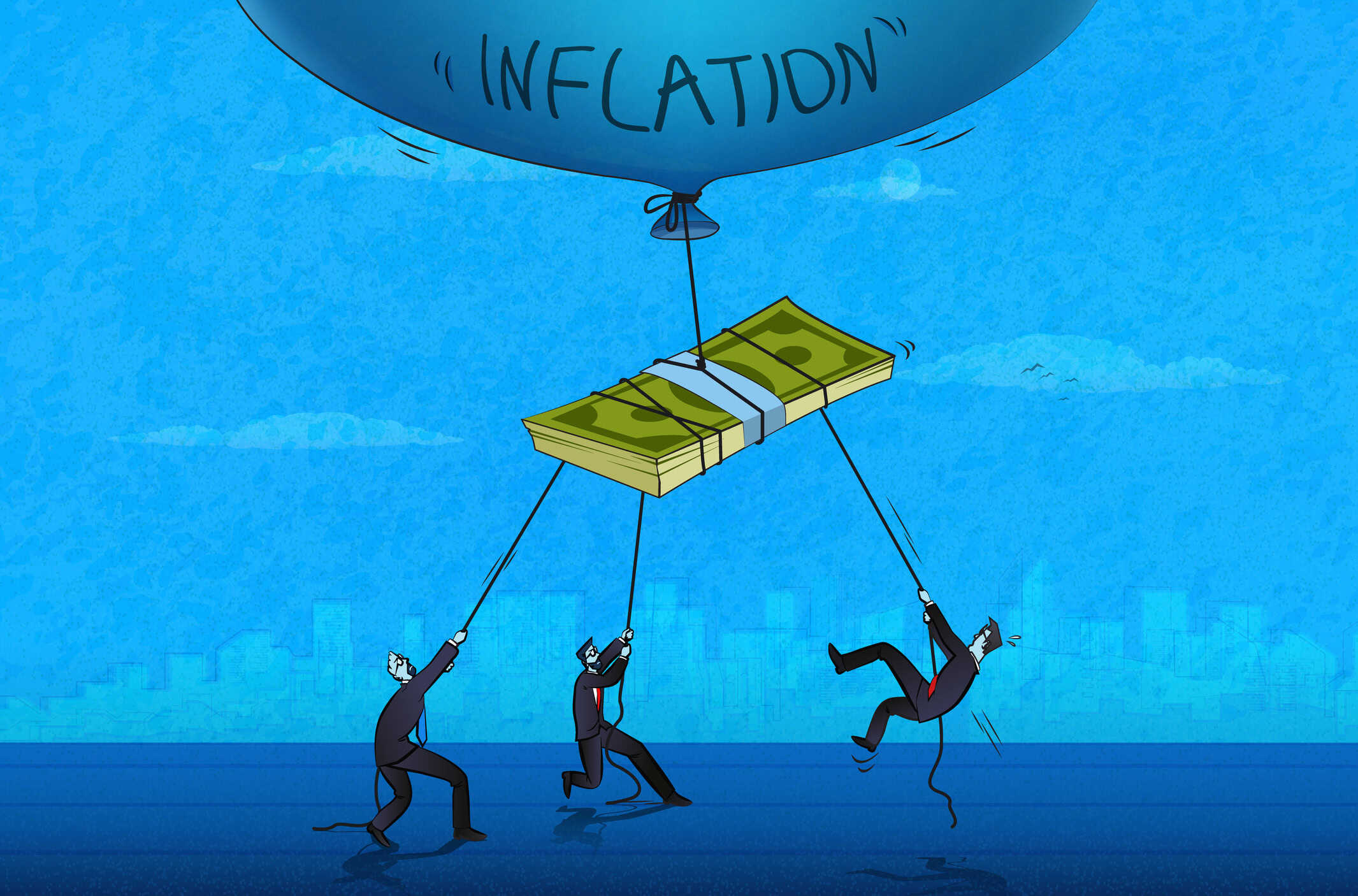
Inflation risk and its economic impact rarely arrives with a neat label. It shows up as a grocery bill that creeps higher, a home repair that costs more than expected, or a tuition payment that jumps again. In a portfolio, the same force quietly taxes future spending power, even when account balances look stable.
Addressing it well is less about finding a single “perfect hedge” and more about building a set of choices that can hold up across different inflation paths: brief spikes, slow burns, and the uncomfortable mix of high inflation with slowing growth.
Inflation risk: what it really does to a portfolio
Inflation is not just “prices going up.” It is the ongoing reset of what a dollar can buy, and that reset compounds. A 3% inflation rate sustained for 10 years reduces purchasing power by about 26%. At 5%, it is about 39%. That gap can change retirement timing, spending plans, and the margin of safety in a financial plan.
Inflation also behaves unevenly. Energy, food, insurance, housing, and services can move at different speeds. The inflation you feel may not match the headline number, which matters because your portfolio exists to fund your costs, not the average household’s.
The hard part is that markets often anticipate inflation before it shows up in official data. By the time inflation is obvious, many trades that looked “safe” can already be repriced.
Start with the question that matters: what must your money do?
Inflation risk is only meaningful relative to a goal. A portfolio designed to fund near-term spending faces a different problem than one built for 25 years of retirement withdrawals. Time horizon, cash flow needs, and flexibility all shape what “good inflation protection” looks like.
A helpful way to frame the problem is to separate funds into roles, considering the economy’s fluctuating influence. After you define those roles, you can decide which ones need explicit inflation linkage and which ones can rely on long-run growth.
A simple role-based map might include:
- Near-term spending buffer
- Intermediate reserves
- Long-horizon growth capital
- Legacy or philanthropic capital
When these roles are clear, you can evaluate inflation protection with more precision. You are not trying to make every dollar inflation-proof at all times. You are trying to ensure that the dollars that must spend soon are resilient, while long-horizon dollars can accept volatility in pursuit of real growth.
Diversification that respects inflation’s uneven impact
Diversifying across asset classes is often presented as a standard risk move. For inflation risk, it becomes more specific: you want return drivers that respond differently to changes in prices, wages, and interest rates.
Equities can help because revenues and earnings can rise with nominal growth, yet equity performance depends on pricing power, input costs, and valuation levels. Bonds can struggle when inflation pushes yields higher, yet high-quality bonds still matter for liquidity and drawdown control. Real assets may track certain inflation impulses, yet they can be volatile and cycle-dependent.
After you have the basics in place, think about diversification through the lens of sensitivity rather than labels. Consider exposures that benefit from different inflation regimes: demand-driven inflation, supply shocks, and policy-driven rate moves.
A practical checklist to review diversification quality:
- Return engine: growth, income, or contractual inflation linkage
- Inflation linkage: direct, indirect, or none
- Rate sensitivity: low duration vs high duration behavior
- Economic sensitivity: performs better in expansion vs slowdown
This style of review tends to reveal hidden concentration. A portfolio can “look diversified” while still leaning heavily on one factor, often long-duration growth exposure that thrives when inflation is low and rates fall.
Dedicated inflation hedges: when they help, when they disappoint
Treasury Inflation-Protected Securities (TIPS) are the cleanest mainstream instrument tied directly to inflation. Their principal adjusts with CPI, and interest is paid on the inflation-adjusted principal. That direct linkage can be valuable when inflation surprises to the upside.
Still, TIPS are not magic. Their market price can fall when real yields rise. If you may need to sell before maturity, that price volatility matters. TIPS are often strongest as a strategic allocation meant to be held through cycles, not as a tactical trade made after inflation is already in the news.
Real assets are another commonly discussed category. Real estate, infrastructure, commodities, and natural resource equities often have some relationship to inflation, though each behaves differently. Real estate can benefit when rents reset higher, yet it can suffer when financing costs jump. Commodities may respond to supply constraints, yet they can reverse quickly when growth cools. Infrastructure may have contractual escalators, yet regulatory and political pressures can cap pricing.
When evaluating “inflation hedges,” it helps to ask a sharper question: Which inflation am I hedging? Energy-driven inflation is not the same as wage-driven inflation, and neither is the same as a broad re-pricing of services.
Comparing common inflation-aware building blocks
The table below summarizes how several building blocks often behave, along with tradeoffs worth respecting.
| Building block | Primary inflation connection | Key strength | Key tradeoff | Best used when |
| TIPS | Direct CPI-linked principal | Clear linkage to realized CPI | Price can drop when real yields rise | You want contractual inflation linkage over time |
| Series I savings bonds | CPI-linked accrual with deferral | Simple, tax-deferred until redemption | Purchase limits, access rules | You want conservative, personal-scale inflation linkage |
| Broad commodities | Spot price exposure | Can respond quickly to supply shocks | High volatility, no cash flow | Inflation driven by commodity inputs |
| REITs | Rent and asset value dynamics | Potential income with inflation resets | Rate sensitivity and cycles | Inflation with stable or improving growth |
| Infrastructure | Regulated or contractual cash flows | Potential pricing escalators | Policy risk, valuation risk | Longer-horizon income with some inflation pass-through |
| Short-duration Treasuries | Higher reinvestment rates over time | Liquidity and flexibility | May lag inflation in real terms | You prioritize stability and optionality |
No single row “wins.” The goal is to blend exposures so that the portfolio does not depend on one path for inflation, rates, and growth.
The interest-rate connection: duration, credit, and the shape of surprises
Inflation risk and interest-rate risk are linked, but not identical; understanding their economic impact on the economy is crucial for portfolio management. Inflation can rise while policy remains slow to respond. Rates can rise even as inflation falls, because markets reset expectations. A portfolio built to handle inflation needs a view on duration, not just “stocks vs bonds.”
Duration is a measure of how sensitive a bond’s price is to changes in yields. When inflation pushes yields up, long-duration bonds tend to fall more. Shorter-duration bonds fall less and can reinvest at higher yields sooner. That does not guarantee a positive real return, yet it can reduce the portfolio’s vulnerability to a rate reset.
Credit exposure adds another layer. Credit spreads can widen during slowdowns, even if inflation is easing. So a portfolio that tries to fight inflation with lower-quality credit can end up taking a different risk: recession sensitivity. Many investors prefer to separate these jobs: use high quality bonds for stability and liquidity, and use equities or real assets for long-run real growth.
There is also a behavioral angle. Inflationary periods can feel urgent, which tempts big changes at the wrong time. A duration plan written in advance can keep decisions grounded.
Rebalancing as a discipline, not a reaction
Regular reviews and portfolio rebalancing are often described as “maintenance.” In inflationary periods, they become a source of strength because they force you to harvest what has run up and reinforce what has become cheap.
Rebalancing can also prevent a portfolio from drifting into unintended inflation exposure. A strong equity rally can quietly increase cyclicality. A bond selloff can quietly shorten duration if you replace long bonds with cash without a plan. A real asset surge can raise volatility beyond what the plan can tolerate.
A useful rebalancing approach is rule-based enough to reduce second-guessing, yet flexible enough to respect taxes and transaction costs.
Common review items that keep inflation risk in check:
- Band triggers: rebalance when an asset class drifts beyond set thresholds
- Cash-flow rebalancing: use contributions or withdrawals to restore targets
- Tax-aware sequencing: prioritize tax-advantaged accounts for bigger shifts
- Real return check: evaluate progress in today’s dollars, not just nominal balances
When inflation is high, measuring progress in real terms can be clarifying. Nominal gains can feel comforting while purchasing power stands still.
Implementation details that tend to decide results
Inflation protection can be won or lost in the small choices: the fund you pick, the account you hold it in, the timing of a rebalance, the cost of trading, the discipline of staying invested.
It also helps to separate what you can control from what you cannot. You cannot set next year’s inflation print. You can choose diversification, costs, tax drag, and a process.
A short implementation checklist:
- Costs and spreads
- Tax placement by asset type
- Liquidity for planned spending
- A written rebalancing rule
Even excellent inflation-aware assets can disappoint if they are expensive, ill-timed, or forced to be sold to fund spending during a drawdown.
A practical cadence for ongoing evaluation
Inflation risk management works best as a calendar habit. Many investors use a quarterly light review and an annual deep review, with extra attention after major life changes or big market moves.
The deep review can revisit assumptions that inflation quietly breaks: expected real return, savings rate, withdrawal rate, and the share of spending that is flexible. A plan that includes “pressure valves” can be more durable than one that assumes a fixed lifestyle regardless of price levels.
If inflation cools, a well-built portfolio does not become obsolete, as it can continue to address the economic impact on the economy effectively. It simply shifts from “defense” back to “balance,” with diversification, TIPS or other inflation-linked exposure where appropriate, and a rebalancing process that keeps the strategy steady even when the data, headlines, and narratives change.
Frequently Asked Questions: Inflation Risk Management
What is the best way to hedge against inflation?
There is no single “best” hedge. A diversified approach—using equities, TIPS, real assets, and short-duration bonds—can help protect purchasing power across different inflation scenarios.
Are TIPS always effective during inflation?
TIPS provide direct inflation protection, but their prices can be volatile if real yields rise. They are most effective as part of a long-term, diversified portfolio.
How often should I review my portfolio for inflation risk?
Quarterly light reviews and annual deep reviews are recommended, with additional check-ins after major life or market changes.
Should I change my investment strategy if inflation rises suddenly?
Avoid making drastic changes based on headlines. Instead, ensure your portfolio is diversified, your duration is appropriate, and your rebalancing plan is in place.
Do commodities always perform well during inflation?
Commodities can respond quickly to inflation but are volatile and do not generate income. They are best used as a component of a broader inflation risk management strategy.
How does inflation affect retirement planning?
Sustained inflation erodes purchasing power, so it’s important to plan for higher future expenses, review withdrawal rates, and maintain exposure to growth assets that can outpace inflation over time.
Disclosures:
This commentary is not a recommendation to buy or sell a specific security. The content is not intended to be legal, tax or financial advice. Please consult a legal, tax or financial professional for information specific to your individual situation. Investing involves risk, including possible loss of principal. Past performance is no guarantee of future results. Diversification does not guarantee a profit or protect against loss.