How Does Bond Insurance Work in Risk Reduction
Municipal bonds have a reputation for steady cash flow and relatively low default rates, yet investors still face a basic question: what happens if the issuer cannot make a payment on time? When considering municipal bonds, investors often wonder, ‘How does bond insurance work?’ Bond insurance is one of the oldest tools designed to reduce that principal worry. It can simplify credit analysis, tighten yield spreads, and shift a slice of risk away from the city, county, or authority that sold the bonds.
Bond insurance is a contract with its own strengths, limits, and moving parts and subject to the claims paying ability of the insurer. If you are researching municipal bonds with an eye toward safety, it helps to know exactly what is being promised, who is making that promise, and how the market prices it.
Bond insurance, stated plainly
Bond insurance is a financial guarantee, issued by a specialized insurer, that covers scheduled debt service on a bond. If the municipal issuer fails to pay interest or principal when due, the insurer steps in to make the payment under the terms of the policy.
That “when due” detail is central. Most municipal bond insurance is designed to preserve timely payment, not to make you whole instantly after a credit event. The policy is meant to keep cash flows predictable even when the issuer is under stress.
Who provides bond insurance, and what exactly is insured
Municipal bond insurers are typically “monoline” insurers, firms focused on guaranteeing public finance debt. The insurer evaluates an issue, charges a premium (often paid by the issuer at issuance), and then attaches its guarantee to that specific bond issue.
The guarantee usually covers:
- Interest payments when scheduled
- Principal repayment at maturity (and, depending on the policy, mandatory sinking fund payments)
- Payments tied to certain redemption provisions if they are part of the scheduled debt service
It generally does not cover market losses. If interest rates rise and the bond price falls, insurance does not stabilize your mark-to-market value. It is about credit, not rates.
Insurance is issued on a per-bond (or per-series) basis. An issuer can have insured and uninsured bonds outstanding at the same time, even within the same credit program.
The mechanics: what happens if the issuer misses a payment
The cleanest way to picture bond insurance is as a backstop to the bond’s payment pipeline. In a typical municipal structure, the issuer pays the trustee or paying agent, who then pays bondholders. If the issuer fails to send the required amount by the deadline specified in the bond documents, the trustee notifies the insurer and a claim process begins.
A few practical details matter.
First, claims are usually tied to scheduled payment dates, highlighting the insurer’s obligations to ensure timely payments. If the issuer misses a June 1 interest payment, the insurer’s obligation is typically to ensure the June 1 payment is made, subject to the policy’s notice and documentation requirements.
Second, the insurer’s payment obligation depends on the policy language, not headlines. Some policies are “unconditional and irrevocable” guarantees of scheduled debt service, but investors still want to read the exact wording around notice timing, proof of nonpayment, and who can submit a claim (often the trustee).
Third, after paying bondholders, the insurer generally gains rights to pursue recovery from the issuer. That recovery process can take time and may involve restructurings, intercept mechanisms, or negotiated settlements. From the investor’s standpoint, the key benefit is that the insurer is doing the pursuing while you keep receiving scheduled payments.
What insurance changes for investors (and what it does not)
Insurance can materially shift the credit conversation by directly impacting the performance of the bond in the market. In many cases, the insured bond is rated based on the insurer’s financial strength rating rather than the issuer’s standalone rating. That can increase the bond’s rating, broaden the potential buyer base, and reduce the yield required by the market.
After a paragraph or two of clarity, it helps to separate the “yes” from the “no.” Insurance can be valuable, but it is not a blanket shield against every principal risk in fixed income.
- Lower exposure to issuer nonpayment
- More predictable cash flows
- Simpler credit story in some portfolios
- Potentially better liquidity in certain markets
Those are real benefits when the insurer is strong and the policy terms are solid.
What insurance does not change is equally important. You still face interest rate risk, call risk, reinvestment risk, and tax risk. A long-duration insured bond can still decline in price when yields rise. A callable insured bond can still be taken away when rates fall. A change in tax law can still shift after-tax returns.
Insured vs. uninsured: a quick comparison
The table below captures how insurance typically affects a municipal bond’s profile. Real bonds can deviate based on indenture terms, security pledges, and policy language, but these are useful starting points.
| Dimension | Uninsured municipal bond | Insured municipal bond |
| Primary credit risk | Dependent on the issuer’s ability and willingness to pay | Dependent on insurer for timely payment, with the issuer as the underlying support |
| Common rating reference | Issuer rating or issue rating | Often, insurer rating (or a combination of insurer and underlying ratings) |
| Cash flow certainty under issuer stress | Can be disrupted by delinquency, restructuring, or delayed payments | Designed to keep scheduled payments timely, subject to policy terms |
| Market pricing drivers | Issuer fundamentals, sector sentiment, local economics | Insurer strength, underlying credit, and the value investors place on the wrap |
| Due diligence focus | Revenue pledge, legal covenants, issuer finances | Policy language, insurer strength, plus underlying issuer quality |
| What it cannot fix | Rate risk, call features, liquidity constraints | Same limitations as uninsured |
Notice how the insured bond still requires you to care about the underlying issuer’s obligations. Even if the insurer is paying, the market may price the bond based on both the insurer’s health and the issuer’s trajectory.
Why insured bonds can still trade differently from each other
Two insured municipal bonds can share the same insurer and the same insured rating, yet trade at different yields. That surprises new investors, but it makes sense once you consider the full pricing picture.
One driver is the bond structure. A premium coupon bond can trade differently from a discount bond even with identical credit support. Call provisions matter a lot: a 5% coupon callable in 5 years behaves differently from a 3% coupon noncallable for 10 years, insurance or not.
Another driver affecting performance is liquidity and block size. Larger, more frequently traded issues can command better pricing. Smaller issues with limited dealer inventory may require a yield concession, even when insured.
There is also an “underlying” perception. Professional buyers still analyze the issuer because the insurer’s strength can change over time, and because the insurer may have defenses tied to legal compliance. If the issuer looks shaky, the bond can trade wider than a similarly insured bond backed by a stronger municipality.
The insurer is a credit too: what to watch
Buying an insured bond means you are taking exposure to the insurer’s ability to perform decades into the future, along with fulfilling all obligations attached to the insurance. That is why insurer ratings, principal reviews, capital strength, and underwriting discipline matter.
Insurer risk is not only about default. A downgrade of the insurer can reduce the market value of insured bonds, even if the issuer remains stable. This is a price risk channel rather than a cash flow risk channel, yet it matters to investors who may sell before maturity.
The healthiest way to think about insurance is as a second balance sheet supporting your bond, not as a substitute for analysis. When both the underlying issuer and the insurer are strong, the risk reduction can be meaningful. When either side is weak, the value of the wrap can shrink quickly.
How to find the insurance details in bond documents
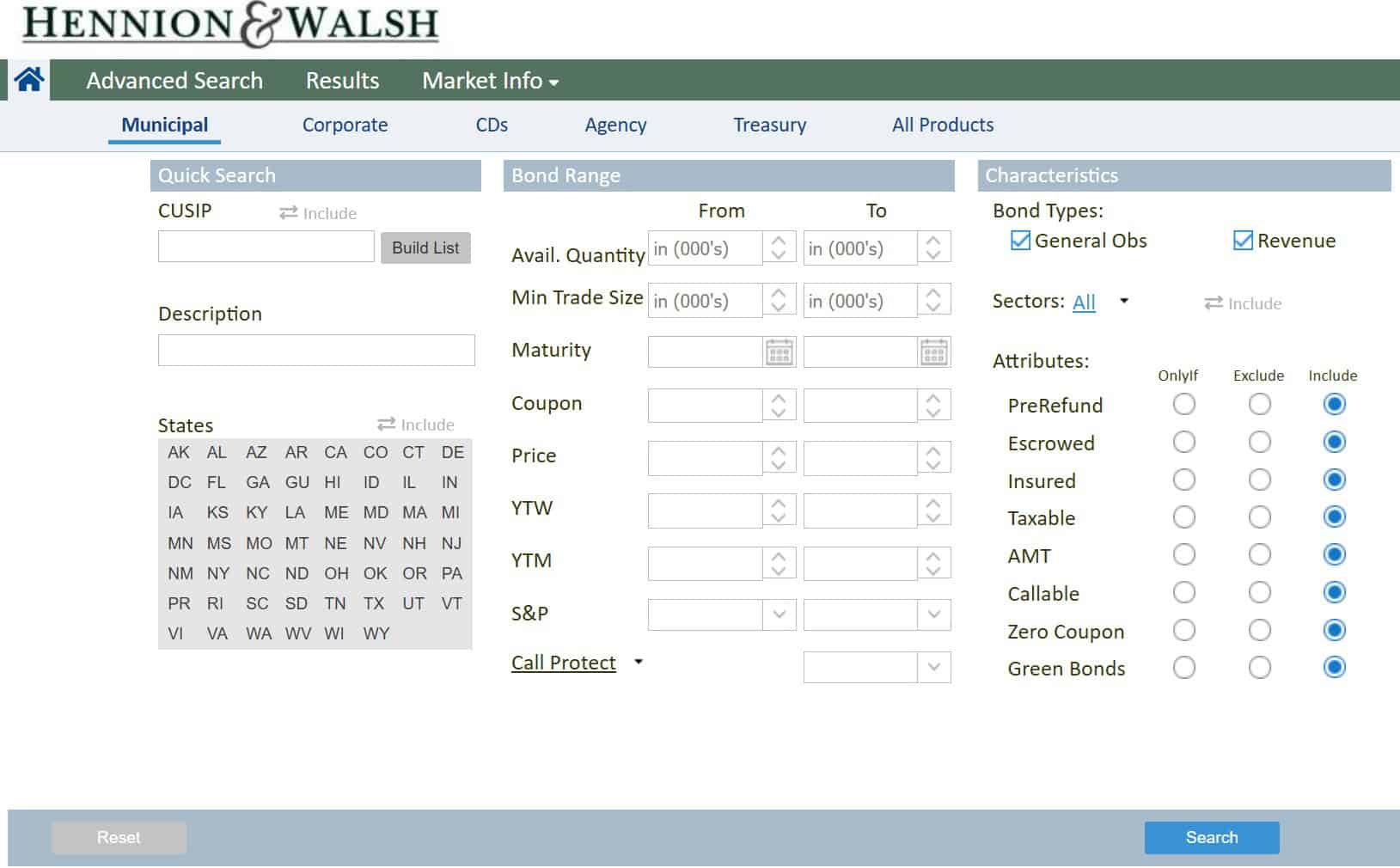
The Official Statement (OS) and related continuing disclosure usually contain the key insurance language. Investors sometimes rely on a trade confirmation that says “insured,” but the OS is where you see the actual promise and the mechanics.
After you have the CUSIP and the OS in hand, focus on a few recurring sections:
- Bond insurance section: The name of the insurer, the policy form, and how the insurance applies to principal and interest
- Ratings section: Whether the rating shown is the insured rating, the underlying rating, or both
- Payment and security provisions: How funds flow to the paying agent, timing requirements, and what constitutes a payment default
- Continuing disclosure: Ongoing financial reporting by the issuer, which still matters for market perception even with insurance
If you cannot find the policy summary, ask your broker or platform for the OS and any insurance-related exhibits. “Insured” should never be a black box.
When bond insurance tends to matter most
Insurance is most valuable when the market is paying a premium for certainty of cash flows and protection against potential fraud; understanding how bond insurance works is crucial in these contexts. That can happen during periods of credit stress, when investors become more sensitive to downgrades or payment disruptions. It can also matter in portfolios with strict rating constraints where insured ratings can expand the eligible universe.
It can be less valuable when the underlying issuer is already very strong, and the yield pickup from uninsured bonds is minimal. In that case, insurance may not change the risk profile enough to justify any pricing difference.
There is also a maturity effect. The longer the bond, the more time there is for either the issuer’s fundamentals or the insurer’s strength to change. Some investors prefer insurance on longer maturities for that reason, while others prefer to rely on underlying credit quality and diversify across issuers.
A practical checklist before you buy an insured municipal bond
Insurance can be a useful layer of protection, but it works best when you assess its performance as one input in a disciplined process. Before purchasing, it helps to ask a short set of direct questions:
- What is the underlying rating and outlook? An insured rating may look clean, but underlying fundamentals still influence price and resale value.
- What insurer is guaranteeing the bond, and what is its current rating? Verify with recent rating reports, not only a brokerage label.
- Does the policy cover scheduled interest and principal without material conditions? Read the OS summary and note any timing or notice requirements.
- How do call features affect my expected holding period? Insurance does not remove call risk.
- Am I being paid for remaining risks? Compare yield and structure to similar insured and uninsured bonds in the same state and maturity range.
For investors focused on safety, the goal is not to collect the most labels, insured, AA, or essential service. The goal is a bond you can hold with confidence because the cash flow promise is well supported, clearly documented, and sensibly priced relative to alternatives.
Disclosures:
This commentary is not a recommendation to buy or sell a specific security. The content is not intended to be legal, tax or financial advice. Please consult a legal, tax or financial professional for information specific to your individual situation. Investing involves risk, including possible loss of principal. Past performance is no guarantee of future results. Diversification does not guarantee a profit or protect against loss. The interest on municipal bonds, unless identified as “taxable” or “AMT” (alternative minimum tax), is exempt from federal income tax, but may be subject to local or state income tax for residents of certain states.